



UNESCO Officially Recognizes Italian Cuisine as Global Intangible Cultural Heritage
In a historic and unprecedented decision, UNESCO has officially recognized Italian cuisine as a global Intangible Cultural Heritage of Humanity. This recognition marks a world first: Italian cuisine is the first national cuisine to be acknowledged in its entirety, not through individual recipes alone, but as a complete and coherent cultural system.
The decision was taken unanimously by the Intergovernmental Committee for the Safeguarding of the Intangible Cultural Heritage, which met in New Delhi, India. The recognition highlights the extraordinary cultural value of Italian food traditions as a living heritage shared by communities throughout the country.
According to UNESCO, Italian cuisine represents an intricate network of knowledge, rituals, agricultural practices, craftsmanship, and social customs. From family kitchens to local markets, from festive gatherings to everyday meals, Italian food culture reflects a universal model of sustainability, conviviality, and cultural continuity.
More information about UNESCO’s Intangible Cultural Heritage programme is available on the official website:
https://ich.unesco.org
What Does UNESCO Recognition Mean?
UNESCO’s Intangible Cultural Heritage list does not protect monuments or physical objects. Instead, it safeguards living traditions: practices, skills, and knowledge that communities recognize as part of their cultural identity.
In the case of Italian cuisine, this includes:
- traditional food knowledge transmitted across generations
- agricultural practices rooted in local territories
- respect for seasonality and biodiversity
- manual skills and artisanal techniques
- the social and symbolic value of shared meals
Italian cuisine is therefore recognized not as a static heritage, but as a dynamic and evolving cultural practice.
The Mediterranean Diet: A Cultural Model
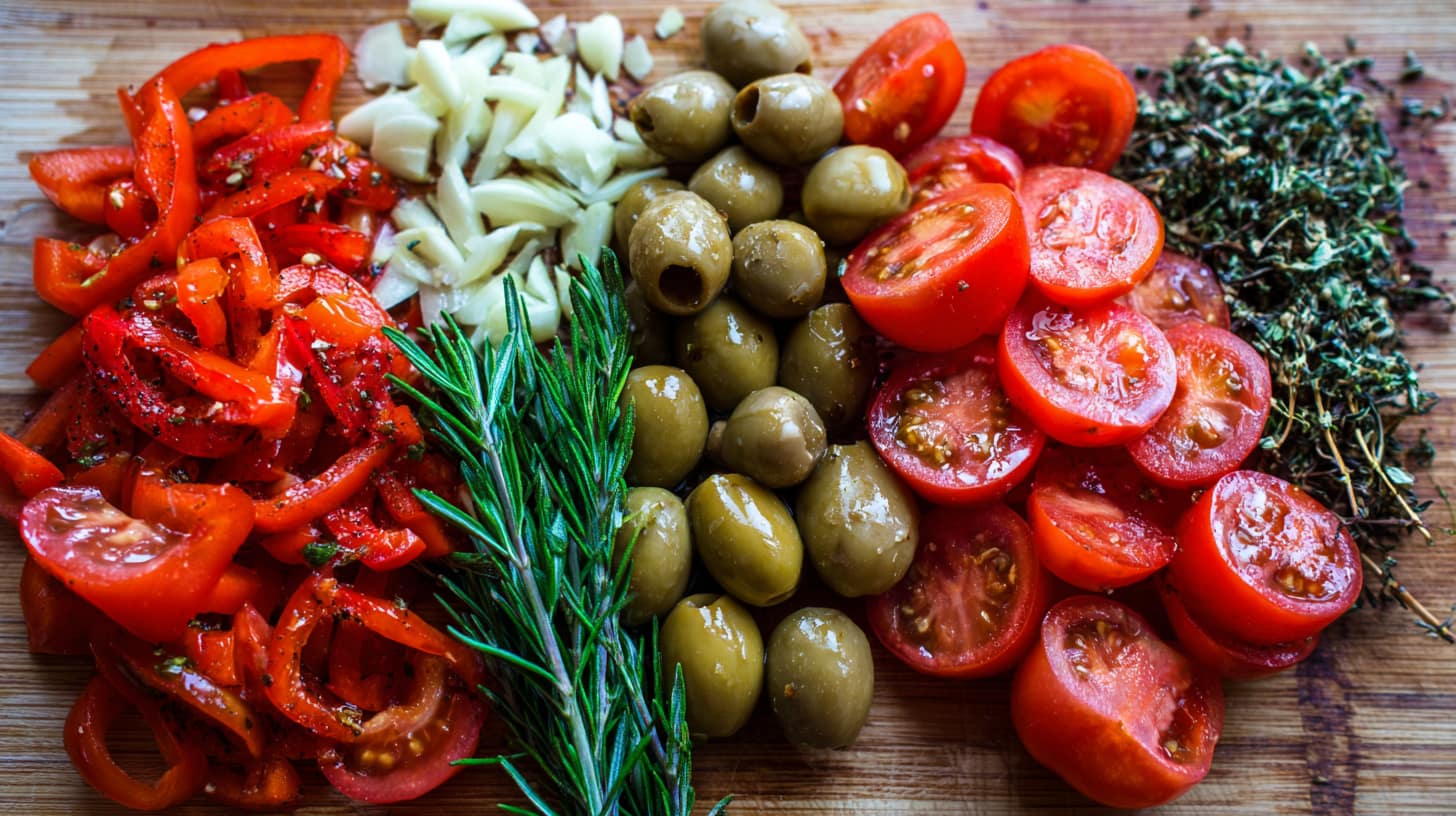
One of the most important UNESCO recognitions involving Italy is the Mediterranean Diet. This recognition confirms that food is not only about nutrition, but about culture, relationships, and lifestyle.
The Mediterranean Diet is based on:
- olive oil as the primary source of fat
- vegetables, legumes, cereals, and fruit
- moderate consumption of fish, dairy, and wine
- limited intake of red meat
- conviviality and shared meals
Italy plays a central role in this tradition, where meals are moments of dialogue, education, and cultural transmission.
The Art of the Neapolitan Pizzaiuolo
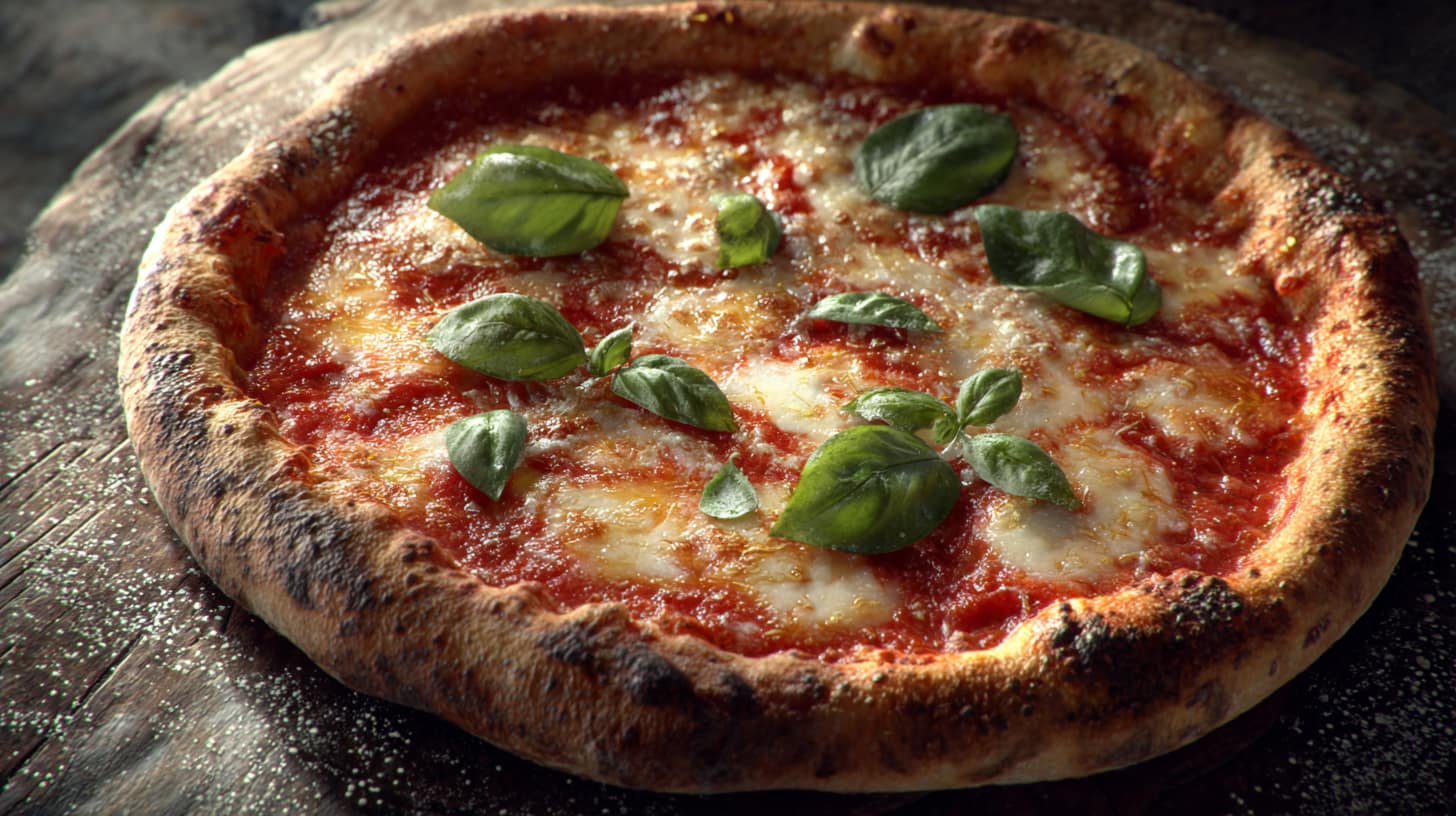
In 2017, UNESCO recognized the art of the Neapolitan pizzaiuolo as Intangible Cultural Heritage of Humanity. This recognition focuses on the cultural practice behind pizza-making.
The art of the pizzaiuolo includes:
- dough preparation and fermentation
- hand movements used to shape the pizza
- wood-fired oven baking
- apprenticeship and knowledge transmission
- the social role of pizzerias
Pizza becomes a symbol of identity, craftsmanship, and community.
Regional Diversity: The Heart of Italian Cuisine
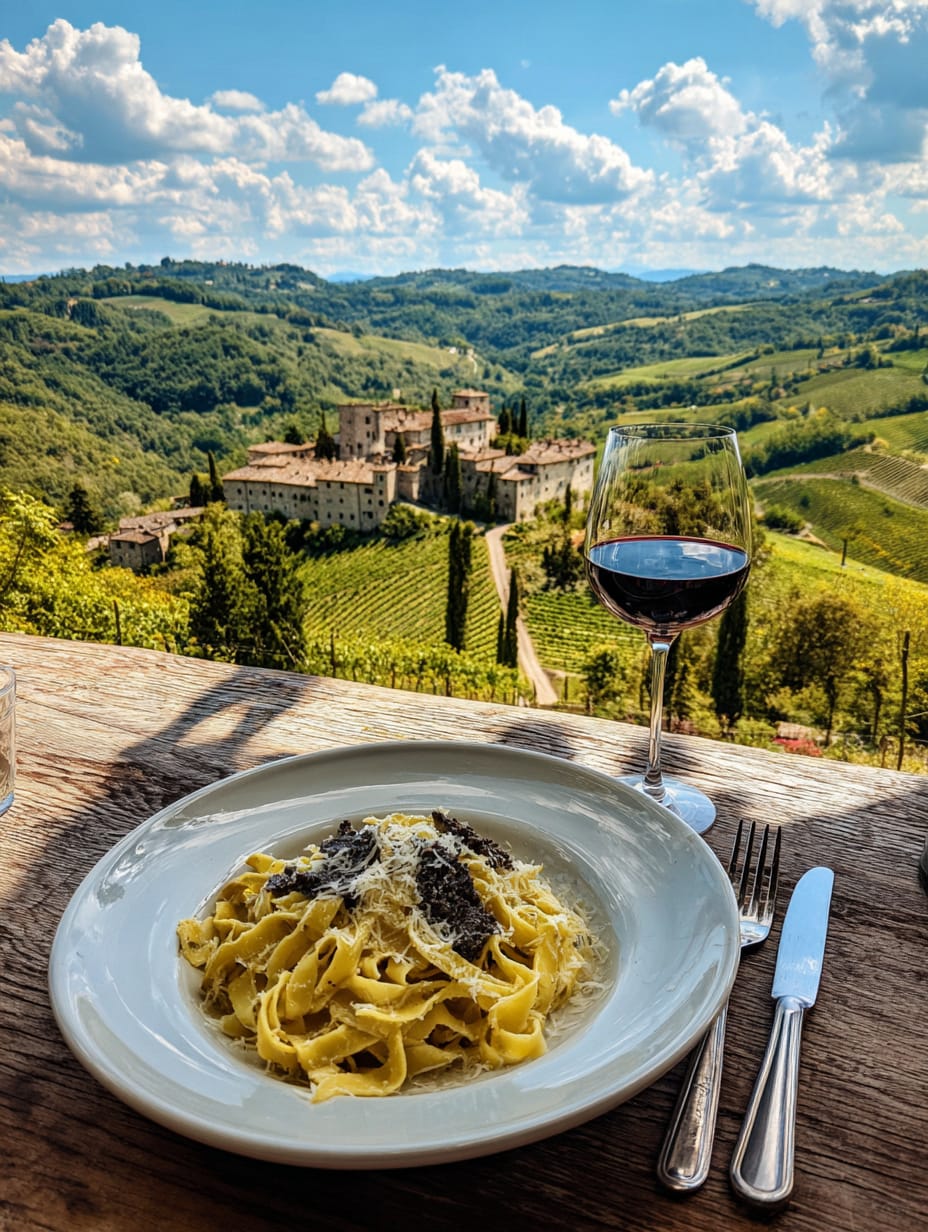
Italian cuisine is profoundly regional. Each area of the country has developed its own culinary identity shaped by geography, climate, and history.
This diversity is one of the reasons Italian cuisine is considered cultural heritage rather than a standardized culinary system.
Food as Language and Identity

Food-related vocabulary is deeply embedded in the Italian language. Expressions such as al dente, quanto basta, and metterci il cuore reveal how food shapes Italian thinking and communication. Our learning method is very fast and innovative. We always start from real situations to deep into grammar. That’s why it fits students of every age!
Italian Cuisine and Language Learning
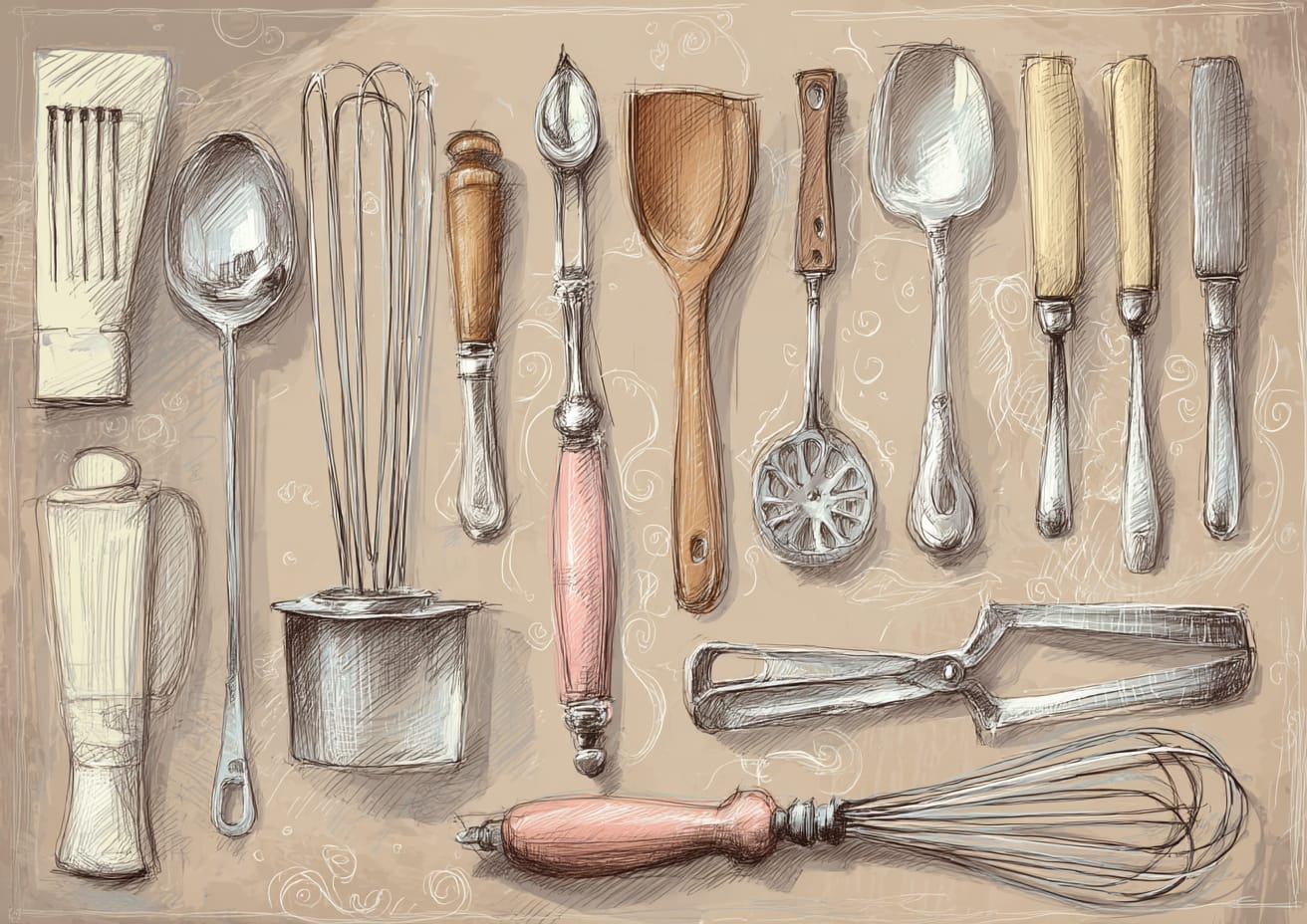
At Il Centro – Italian Language School for Foreigners, we believe that language learning must be connected to real life.
Italian cuisine offers students a natural gateway to:
- expand vocabulary
- practice authentic conversations
- understand Italian culture
- experience Italy beyond textbooks
A Living Heritage
Italian cuisine continues to evolve while preserving its cultural foundations. UNESCO recognition protects not only what Italians eat, but how and why they eat together.
Cooking is one of the most enjoyable ways to build vocabulary and understand Italian culture.
To discover recipes, food vocabulary and traditions, read our full guide:
learn Italian language through cooking.
By learning Italian, students become part of this living heritage.