

Italian food
is cultural, social, emotional, and deeply connected to language. Meals are moments of conversation, storytelling, and shared experience. This is why food is often the fastest and most natural way to learn Italian.At Il Centro – Italian Language and Culture School for Foreigners, we see it every day: students who immerse themselves in Italian food culture start speaking more confidently, understanding more intuitively, and connecting more deeply with the language.
Food as a Cultural Language
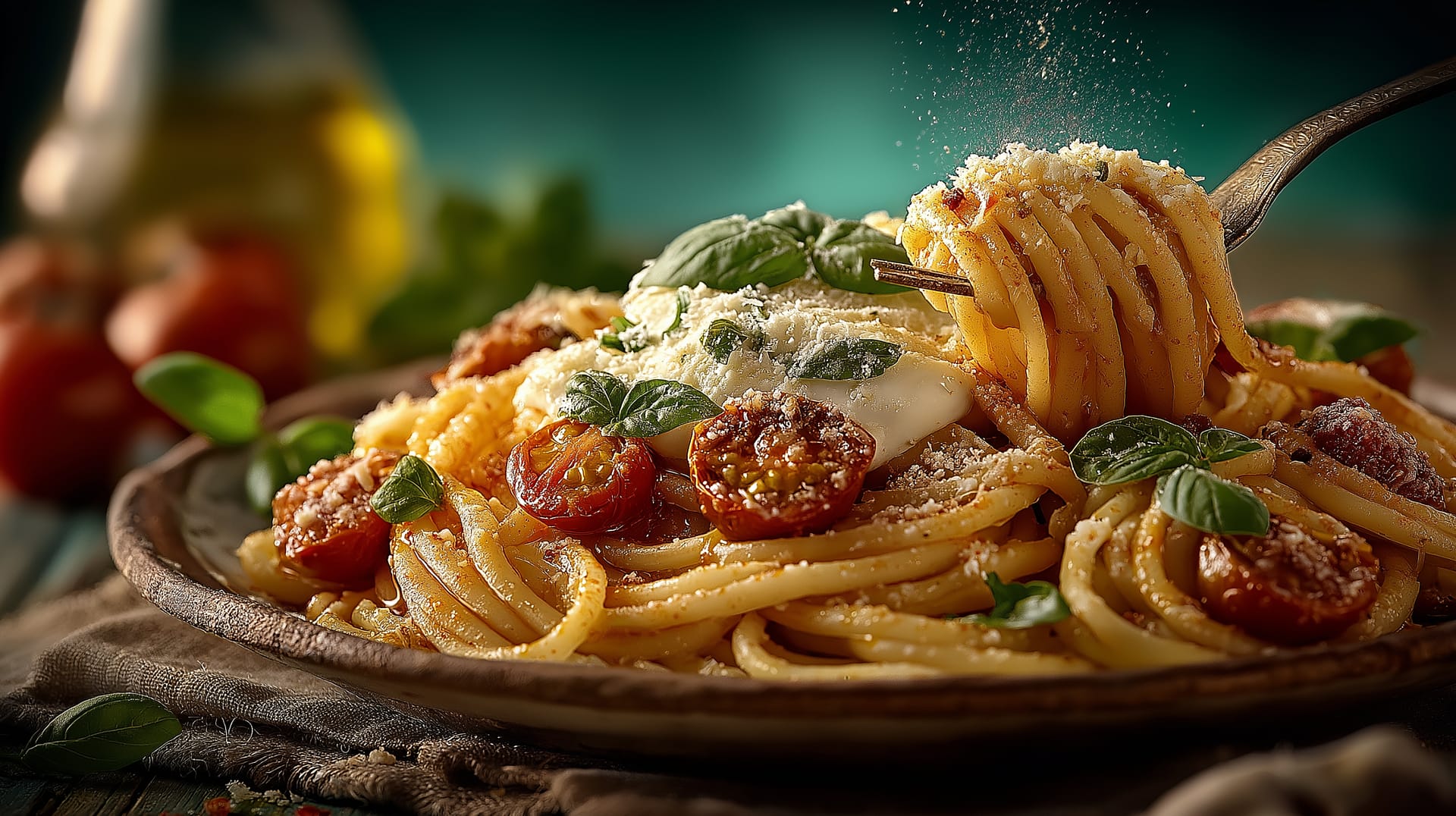
In Italy, food is not just something you eat. It is something you talk about, remember, debate, and share. Meals are social rituals, family traditions, and cultural expressions.
When you learn food-related vocabulary, you are not memorizing isolated words. You are learning how Italians think and communicate.
- Che fame! – I’m starving
- Mangiare con gli occhi – To feast your eyes
- Essere buono come il pane – To be as good as bread
- Non è farina del tuo sacco – It’s not your own idea
Food opens the door to idioms, metaphors, and emotional language that Italians use every day.
The Mediterranean Diet: A Lifestyle, Not a Menu
The Mediterranean diet is famous worldwide, but in Italy it is not just about healthy ingredients. It represents a philosophy of life.
Meals are unhurried. Ingredients are seasonal. Food is shared. Conversation matters as much as what is on the plate.
This lifestyle naturally supports language learning:
- You eat together, so you talk.
- You shop at markets, so you ask questions.
- You cook with others, so you practice instructions.
- You comment on food, so you express opinions.
Learning Italian becomes a daily, organic experience instead of a classroom exercise.
Italian Meals as Real-Life Language Lessons
Every Italian meal follows a structure, and each phase comes with its own vocabulary.
- Colazione: coffee culture and routine expressions
- Pranzo: daily life conversations and work topics
- Aperitivo: informal language and social interaction
- Cena: storytelling, opinions, and emotions
By participating in these moments, students learn not only what to say, but also when and how to say it.
Why Food Helps You Remember Italian Faster
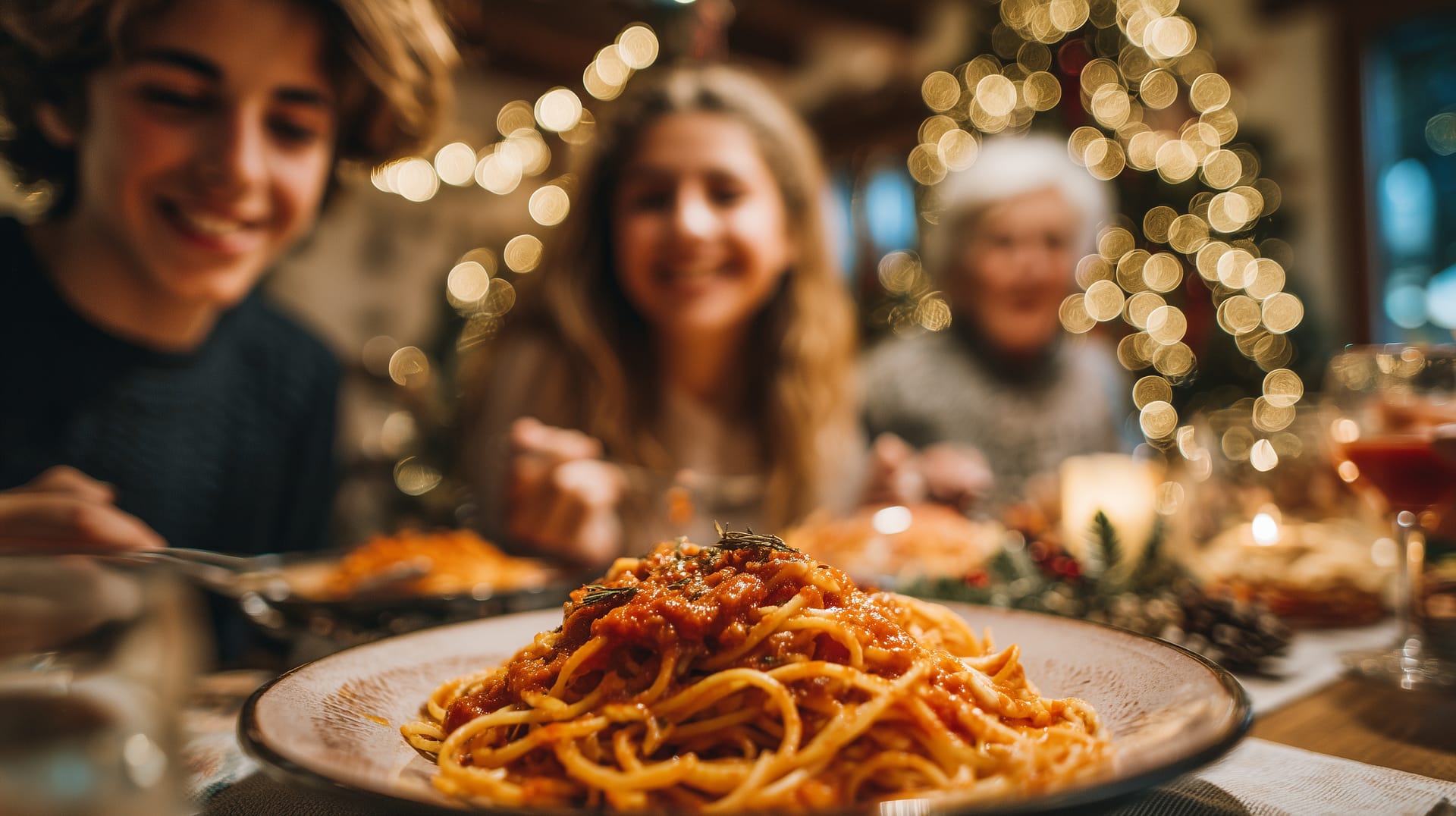
Food involves all five senses. When you learn a word while tasting, smelling, and touching something, your brain creates stronger memories.
Words like basilico, croccante, or amaro are easier to remember because they are connected to real experiences.
This multisensory learning is one of the reasons why students who live in Italy and engage with food culture progress faster.
Italian Traditions Explained Through Food
Many Italian traditions become clearer when seen through food.
- Sunday lunch explains family dynamics and formal language
- Holiday meals reveal regional traditions
- Seasonal dishes reflect history and geography
- Regional recipes show Italy’s cultural diversity
Understanding food traditions helps students understand Italian society, and language follows naturally.
Talking About Food Means Talking Like an Italian
Food is one of the easiest conversation starters in Italy, even for beginners.
Simple phrases quickly build confidence:
- Mi piace / Non mi piace
- È troppo salato o dolce
- Preferisco
- Secondo me
These structures evolve naturally into more complex discussions and opinions.
From Market to Table: Italian in Real Life
Shopping at markets and small food shops is one of the best real-life language exercises.
Students practice numbers, quantities, polite requests, accents, and informal expressions in authentic situations.
Short, repetitive interactions make learning natural and effective.
Learning Italian Without Fear
Many learners are afraid of making mistakes. Food helps remove that fear.
When people talk about food, they relax. Conversations feel friendly and spontaneous. Mistakes become part of the exchange.
This emotional comfort is essential for real fluency.
Learning Italian Language Through Culture at Il Centro
At Il Centro – Italian Language and Culture School for Foreigners, we use a communicative method based on real-life situations.
Food culture plays a natural role in our lessons, helping students move from daily experience to structured language learning.
Students don’t just study Italian. They live it.
Sit at the Table to Learn Italian
If you want to learn Italian quickly and deeply, start with participation.
Sit at the table. Taste. Listen. Ask questions. Share opinions.
Food is not just part of learning Italian. It is the fastest way to truly understand it.