

Learn why Italian sounds like music — and why speaking it feels like performing art.
🎵 A Language That Sings
Even if you don’t understand a single word, when you hear Italian you immediately recognize its melody. The rhythm, the vowels, the open sounds — everything seems to dance. That’s because Italian was born to be spoken aloud.
Unlike English or German, where stress often falls on specific syllables, Italian follows a more regular pattern: every syllable counts. Words flow with balance — a-mo-re, mu-si-ca, be-llez-za — giving the impression of a steady beat.
Italian phonetics favors open vowels (a, e, i, o, u) and smooth consonants that link easily together. This creates a legato, a connected flow, similar to the phrasing in music. It’s no coincidence that classical composers — from Verdi to Puccini — preferred Italian for opera: the language itself already sings.
When you pronounce ciao or buongiorno, your mouth moves in wide, expressive shapes. That openness is part of the charm: Italians literally speak with a smile.
💬 The Role of Emotion in Italian Communication
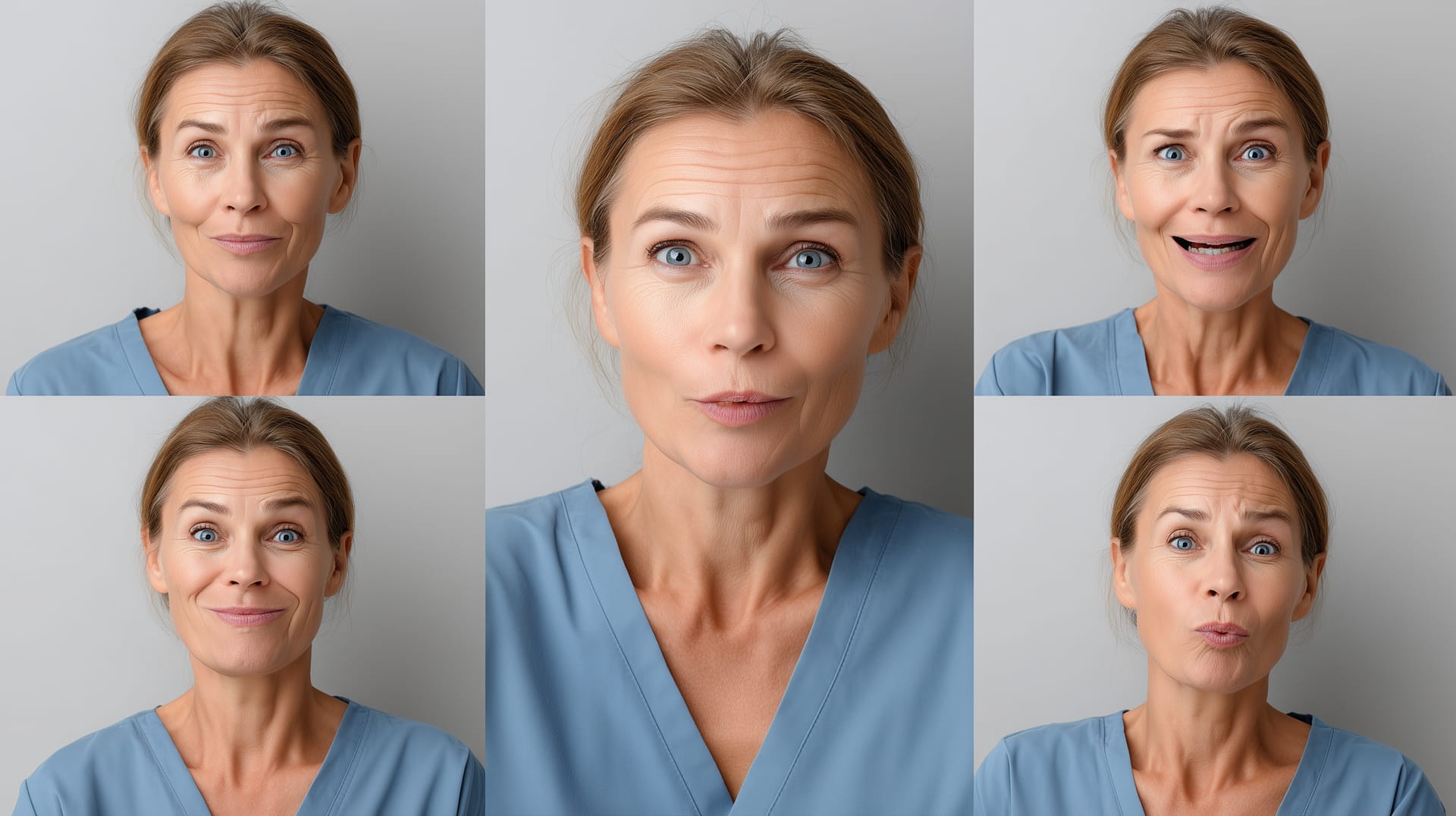
To understand why Italian is called the language of emotion, you must look beyond grammar and vocabulary. In Italy, how you say something often matters more than what you say.
Tone, rhythm, volume, and gestures are essential tools of communication. Italians modulate their voices as if conducting an orchestra — raising pitch to express surprise, lowering it to show affection, speeding up to share excitement.
Compare that to English or Japanese, where emotional neutrality is often a social norm. In Italian, emotional neutrality can sound… cold. A sentence delivered without warmth or emphasis risks being misunderstood.
That’s why Italian teachers — including ours here at Il Centro — always emphasize intonation and gesture from the very first lesson. Learning Italian means learning to feel the words.
👐 Hands That Speak

If you’ve ever watched Italians talk, you know the stereotype is true: our hands are never still. But gestures aren’t random; they form a real “visual grammar.”
- A hand pinch means “what do you want?”
- A sweep of the fingers says “unbelievable!”
- A shrug with a pout means “I don’t know” — boh!
Gestures amplify emotion, clarify meaning, and sometimes even replace words altogether. They’re a second language that mirrors the emotional intensity of spoken Italian.
As we explored in our article “Ah, Eh, Ih, Oh, Uh! A Fun Guide to Italian Interjections”, emotion in Italian doesn’t live only in full words. It’s also hidden in small sounds — Ah! (surprise), Eh! (hesitation), Oh! (realization). These interjections, combined with facial expression and movement, give Italian its famous dramatic flair.
Learning to use them naturally is one of the great joys of mastering the language. It’s like adding color to a black-and-white film.
💖 Words That Vibrate: The Sound of Feelings

Some languages communicate facts; Italian communicates feelings. Even single words seem to shimmer with emotion.
Take amore (love) — soft, open, musical — or cuore (heart), where the double consonant r rolls like a heartbeat. Or bello (beautiful), which stretches the lips into a smile as you say it.
Italian vocabulary reflects centuries of art, poetry, and beauty. Words are chosen not only for meaning, but for sound and aesthetic pleasure.
Consider how many Italian words evoke the senses: dolce (sweet), sogno (dream), luce (light), vita (life), abbraccio (embrace). They all carry warmth, rhythm, and humanity.
Even everyday expressions have a lyrical balance: ti amo, mi piace, va bene, piano piano, così così. Repetition, alliteration, and soft endings make them sound kind, reassuring — emotional by design.
That’s why so many foreign students describe Italian as therapeutic to speak. You can’t whisper it; you have to open your voice. Italian teaches you to breathe, gesture, and express yourself fully.
🎭 The Emotional Heritage of Italian
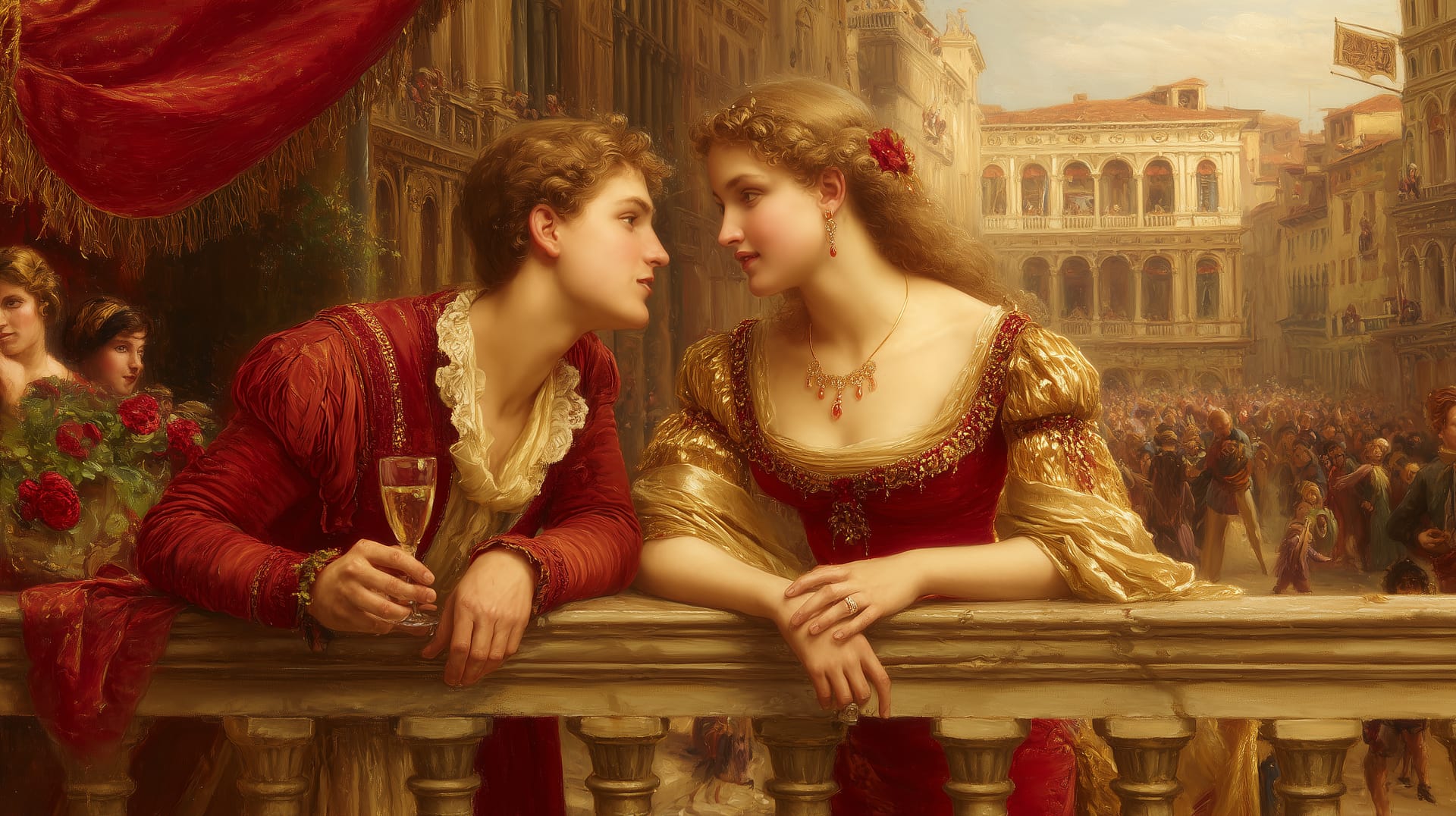
Historically, Italian developed as the language of art and passion. Dante, Petrarch, and Boccaccio shaped its literary roots; later, opera and cinema transformed it into an emotional performance.
Think of an Italian opera aria — O sole mio, Nessun dorma, Vissi d’arte. Even without understanding the lyrics, you feel the emotion. That’s linguistic melody turned into universal feeling.
Italian cinema did the same: the films of Fellini or Tornatore are filled with expressive voices and spontaneous dialogue. Words are accompanied by sighs, pauses, laughter — and always, feeling.
This emotional culture seeps into everyday life. Saying buongiorno is not a formality; it’s a small connection. Complaining loudly, laughing publicly, speaking with passion — all are accepted, even expected.
To speak Italian well, you don’t just learn vocabulary — you learn emotional authenticity.
🎬 Italian Emotion on Screen
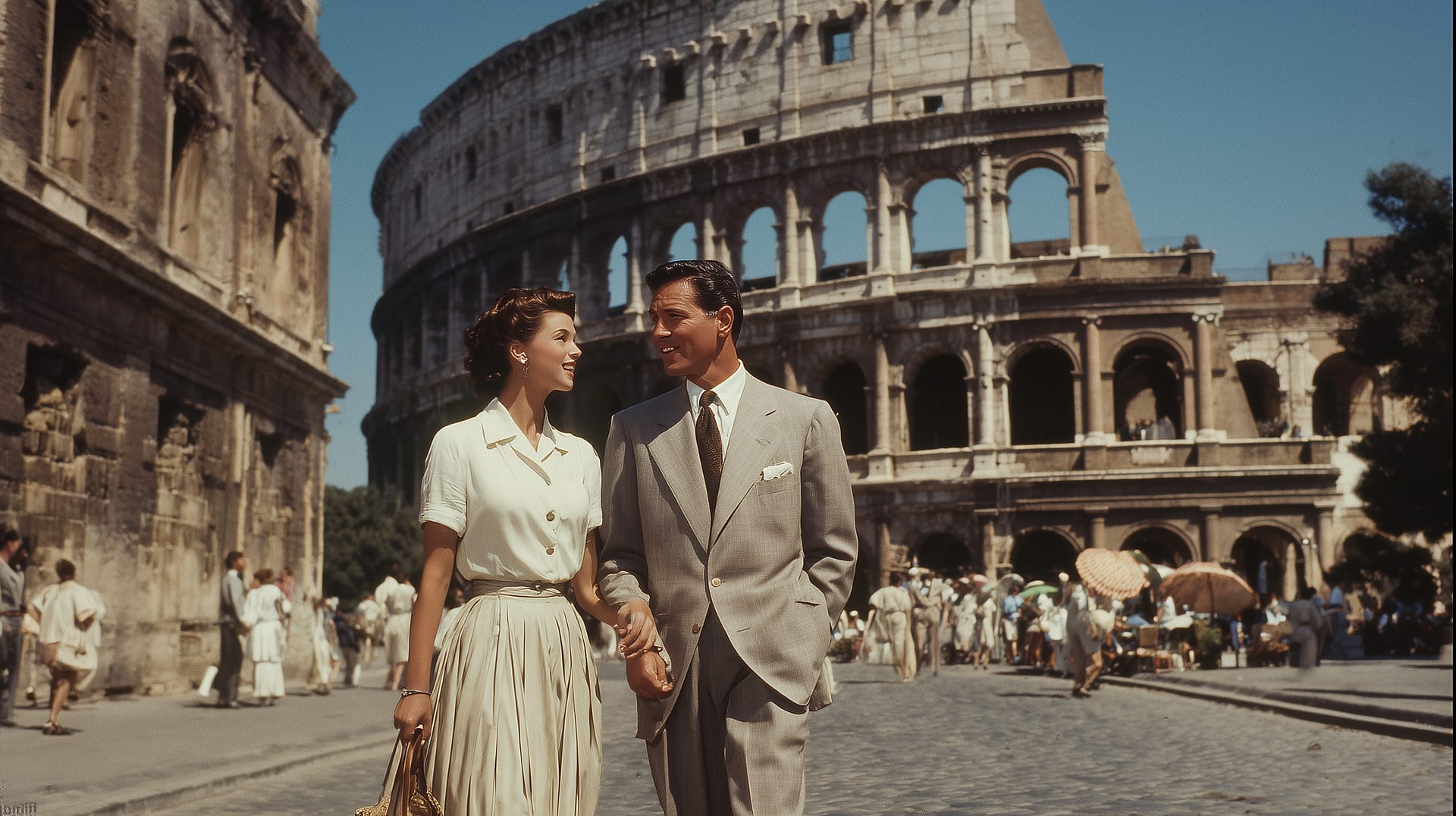
Want to feel how Italian sounds in real life? Cinema is the perfect window into the emotional soul of the language. Every gesture, every intonation, every sigh tells a story. Here are a few films and clips where Italian becomes pure emotion:
- La vita è bella (1997) – Watch Roberto Benigni’s mix of humor and tenderness. Every line is a love letter to life itself.
🎥 Watch the trailer on YouTube - Nuovo Cinema Paradiso (1988) – A nostalgic masterpiece where Sicilian Italian flows with warmth and music.
🎥 Watch the trailer - La Grande Bellezza (2013) – Listen to the rhythm and irony of modern Roman Italian.
🎥 Watch clip - Pane e Tulipani (2000) – A soft, romantic Italian that shows emotion in every pause.
🎥 Watch trailer
Listening to authentic dialogues from these films helps students recognize intonation, rhythm, and emotional balance in spoken Italian — far beyond what a textbook can teach.
🧠 Emotion, Memory, and Learning

There’s also a scientific reason why Italian feels emotional: our brains remember sound patterns linked to emotion more easily.
Languages rich in open vowels and rhythmic repetition create strong neural associations. That’s why students often recall Italian words faster than German or English ones — the brain treats them like short songs.
For teachers at Il Centro, this is a key advantage: using the emotional and musical quality of Italian accelerates memory and pronunciation. Learning becomes not mechanical, but affective — you feel what you say.
🌍 A Global Love Affair with Italian
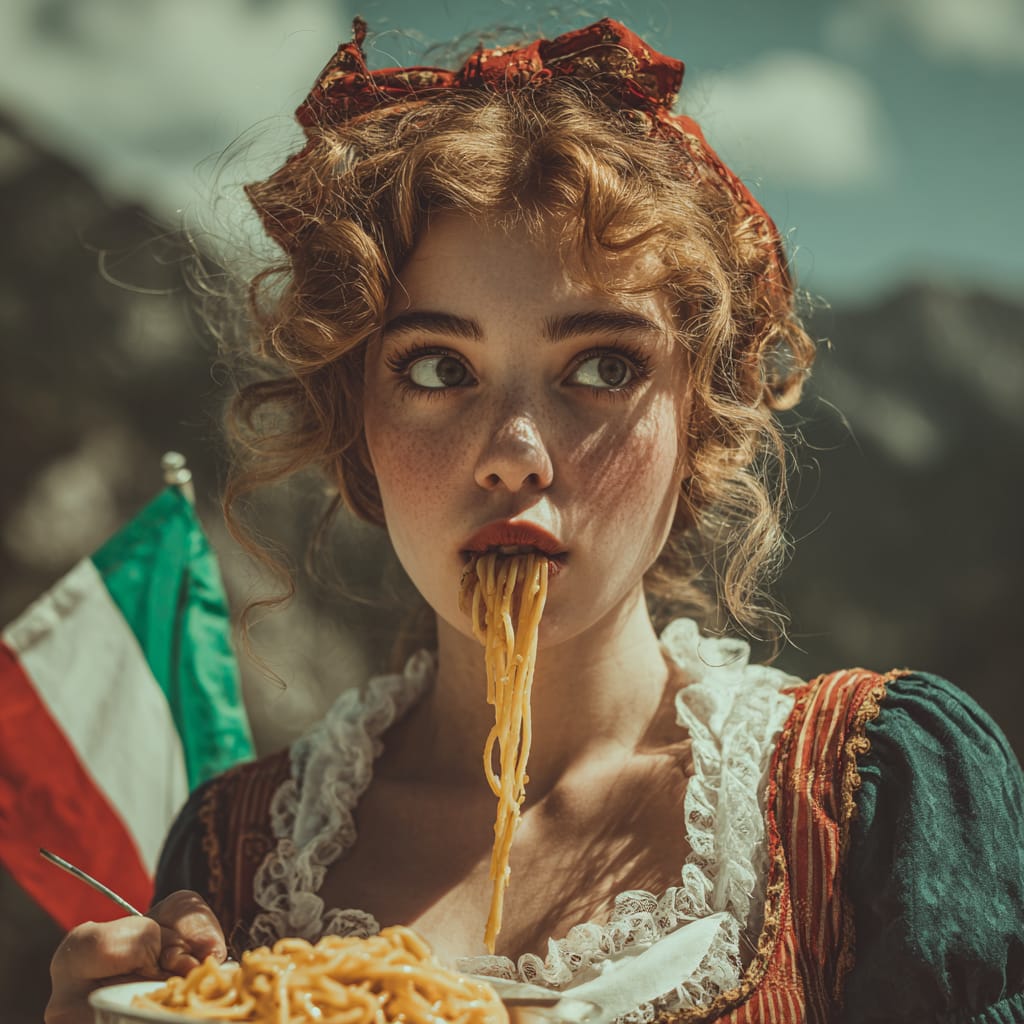
From Paris to Tokyo, from São Paulo to New York, millions of students choose Italian not for necessity but for love. It’s a language people study because it makes them happy.
In surveys across Europe, Italian consistently ranks as one of the “most beautiful languages in the world.” Why? Because it conveys warmth, elegance, and spontaneity.
Designers, musicians, and chefs borrow Italian words because they sound like creativity itself: allegro, adagio, cappuccino, gelato, risotto, amore.
Italian embodies a culture that values pleasure, detail, and expressiveness — traits that appeal universally. When you speak Italian, you don’t just communicate; you participate in a centuries-old conversation about beauty and feeling.
🏛️ The Milan Connection: Where Language Meets Life

Learning Italian in Milan means living inside the rhythm of the language. The city moves fast, yet people still greet each other warmly, argue passionately, and laugh loudly at cafés.
From the elegant cadence of business meetings in Brera to the cheerful chaos of aperitivo in Navigli, Milan speaks many dialects of emotion.
At Il Centro, we bring this energy into our lessons: the language of Milan is modern, expressive, and full of life — just like the city itself.
Students often tell us that after a few weeks they start “feeling Italian”: they talk with their hands, exaggerate intonation, even dream in Italian. That’s when you know the language has moved from your head to your heart.
💬 Small Sounds, Big Feelings
To truly grasp why Italian is the language of emotion, pay attention to its tiny emotional particles — the interjections.
An Ah! can show admiration or surprise.
An Eh! may signal uncertainty, irony, or invitation.
An Oh! reveals discovery, joy, or sudden understanding.
These little sounds carry enormous expressive power. As we explain in our article “Ah, Eh, Ih, Oh, Uh! A Fun Guide to Italian Interjections”, mastering them is essential for sounding natural.
They transform a neutral phrase into a living moment:
Ah, capisco! → “Ah, I see!”
Eh, non lo so… → “Well, I don’t know…”
Oh, che bello! → “Oh, how wonderful!”
Learning when to use them is like learning rhythm in music — it’s what gives the language its pulse.
❤️ A Language That Feels Human
Every language expresses ideas, but Italian expresses people. It’s a language of connection, warmth, and nuance — where silence is rare, and emotion is welcome.
Speaking Italian invites you to be more human: to look into someone’s eyes, to raise your voice, to laugh, to gesture, to care.
As Dante wrote more than seven centuries ago, “Amor che move il sole e l’altre stelle” — Love moves the sun and the other stars. That line still captures what Italian does best: it moves.
So next time you listen to Italians speaking, don’t just hear the words — feel the rhythm, the melody, the emotion behind them.
That’s the secret of Italian: it’s not just a language you study. It’s a language you live.
🎧 Want to train your ear?
Try our YouTube playlist “Italian Sounds & Emotions” — a curated collection of clips, songs, and dialogues from real Italian culture. Practice listening and feel the language come alive!
✨ Call to Action
Want to feel the music of Italian for yourself?
Join one of our Italian language courses in Milan or Online and discover how emotion can become your most powerful learning tool.