

What Does It Mean to Be Italian Today?
Being Italian today means much more than living in Italy or speaking the language correctly.
It means sharing a way of communicating, reacting, criticising, joking and expressing emotions that is deeply rooted in everyday life.
Language, culture and identity are closely connected.
To understand how Italians really communicate, it is necessary to look at how they talk about their country,
how they use humour and irony, and how cultural expression reflects social behaviour.
This page explores what it means to be Italian today through language, daily habits and cultural expression,
showing why learning Italian also means understanding the context in which the language is used.
Being Italian is not just about speaking a language or holding a passport.
It is a way of thinking, feeling, complaining, loving, and questioning everything – often all at the same time.
To truly understand Italy, grammar books and vocabulary lists are not enough.
You need to understand how people relate to their country, how they talk about everyday life, and how culture shapes communication.
This is why learning Italian also means engaging with the cultural context behind the language.
The Role of Language in Everyday Life

In Italy, language is much more than a tool for communication.
It reflects emotions, relationships and personal identity.
Tone of voice, gestures, facial expressions and rhythm are just as important as words.
The same sentence can carry very different meanings depending on how it is delivered.
Regional accents and dialects also play a key role.
They represent belonging, memory and strong local connections.
Understanding this expressive use of language helps learners communicate more naturally and confidently.
Learn Italian in Italy is not only about grammar – it is about learning how people really speak and interact.
Talking About the Country: Criticism and Affection

One of the most surprising aspects for foreigners is the way Italians talk about their own country.
Complaints about politics, bureaucracy or daily inconveniences are common.
However, this attitude is rarely cynical or detached.
Pointing out problems is often a sign of emotional involvement rather than rejection.
It reflects a strong sense of connection and responsibility.
This balance between affection and criticism is a recurring pattern in everyday conversations.
Cultural Expression and Social Reflection
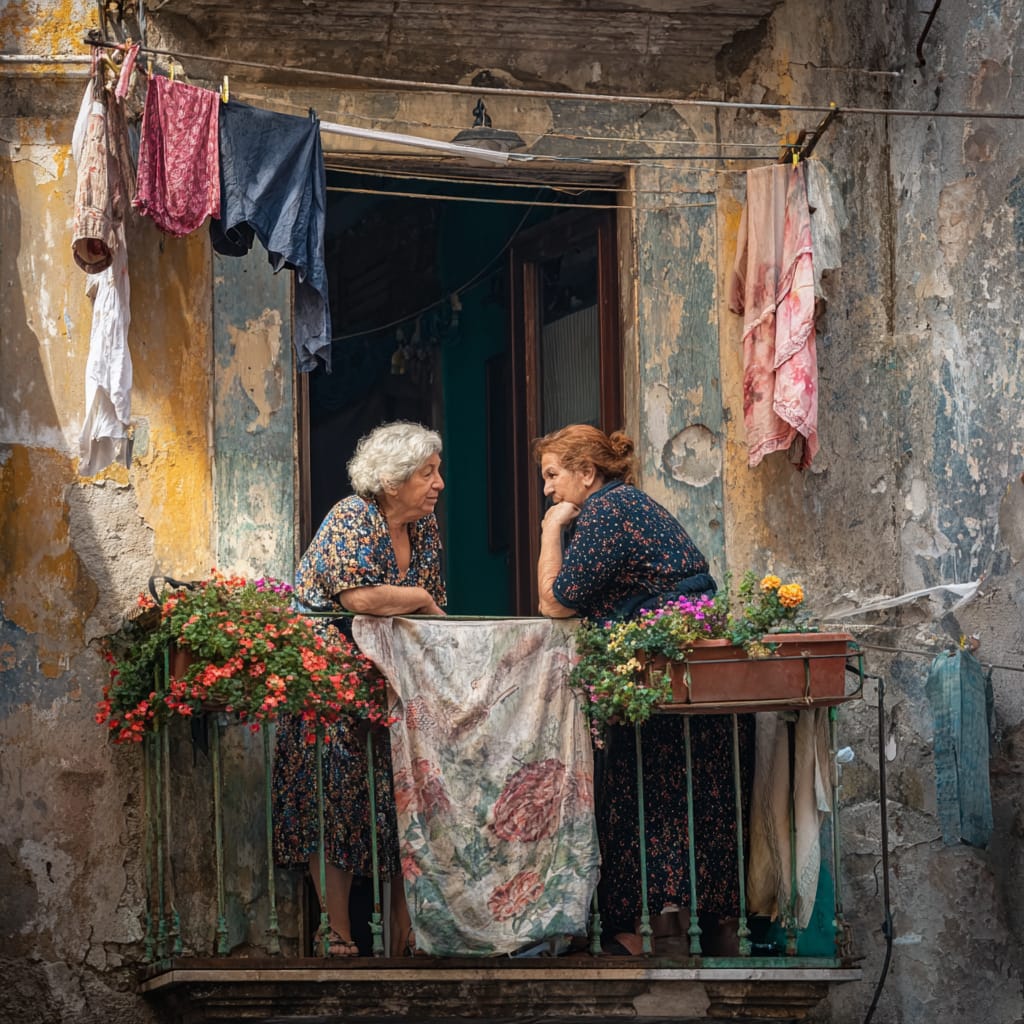
Cultural expression in Italy has long served as a mirror of society.
Theatre, cinema, literature and music explore shared experiences and social dynamics.
Comedy, in particular, plays an important role.
Humour is often used to reflect on serious issues, blending laughter with awareness.
This approach is especially visible in contemporary theatre and monologues that combine irony, warmth and civic reflection.
A clear example of this perspective is explored in the article Italia Amore Mio: Loving and Criticising Italy at the Same Time, which shows how theatre can offer valuable insight into Italian society.
Stories Told Through Theatre, Cinema and Music
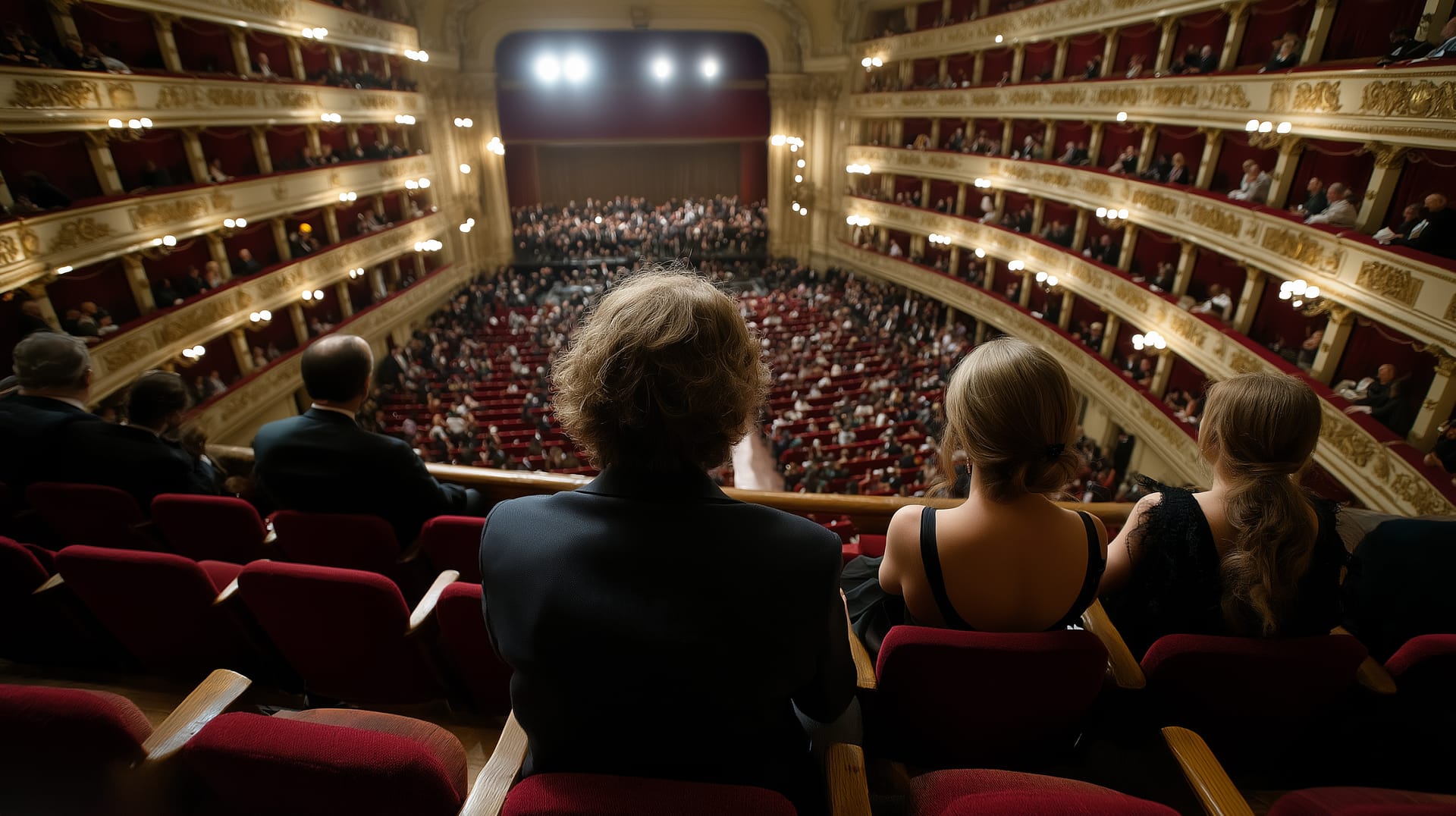
For decades, theatre, film and music have helped narrate everyday life in Italy.
Monologues often give voice to ordinary experiences, transforming them into shared reflection.
Cinema has explored contradictions and social change, while songwriting has told stories of work, family and personal challenges.
Together, these cultural forms create a layered and human portrait of life in Italy.
Why Cultural Awareness Improves Language Learning

Language does not exist in isolation.
Words carry references, emotional nuances and unspoken meanings.
Cultural awareness helps learners understand irony, indirect communication and tone.
It allows students to move beyond correctness and communicate more authentically.
This is why at Il Centro we believe that language learning and cultural understanding should go hand in hand.
Whether you are studying Italian for personal interest, work or study abroad, Italian courses in Milan
offer the opportunity to experience the language within its real-life context.
For those interested in additional immersive options, SI – Studiare Italiano is a well-established network of Italian language schools offering courses in several cities and online.
Understanding Italy Through Language
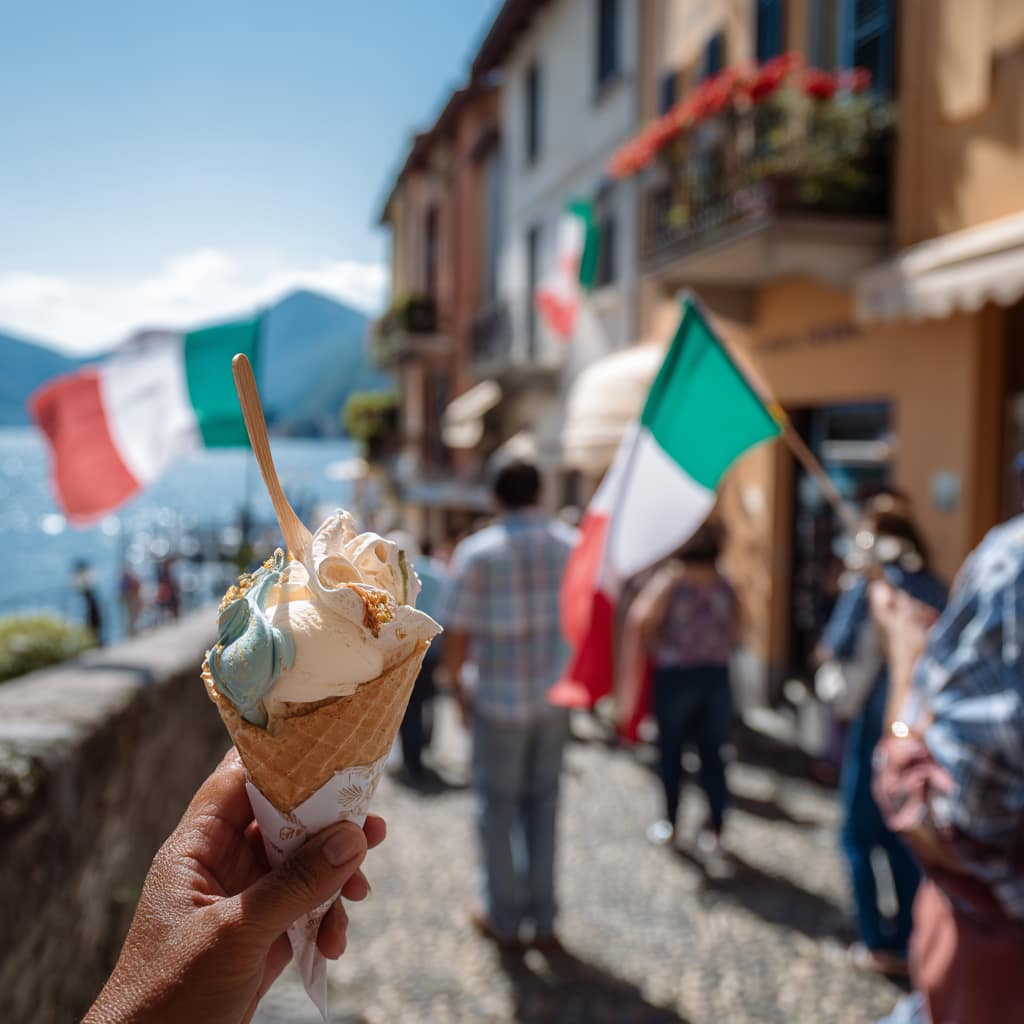
Learning Italian is not only about mastering verb tenses and vocabulary.
It also means understanding how people express emotions, humour and opinions.
These everyday contrasts are part of what makes Italy such a fascinating place to explore.
By learning the language through its cultural context, communication becomes deeper and more meaningful.
Explore Related Cultural Behaviours

Italian identity and communication are shaped by habits that go beyond grammar:
the way people complain, how they use humour and irony, and how they express themselves non-verbally.
These behaviours are not random — they are part of everyday cultural interaction.
For a deeper understanding of how language and culture intersect in real life, explore these related articles:
- Why Italians Complain So Much (And Why It’s Not Negative)
— discover why frequent complaints in Italy are often a sign of emotional involvement and social participation, not negativity. - Italian Irony Explained: How Italians Joke About Serious Things
— learn how irony is used in everyday conversations and cultural communication to soften criticism and create connection. - Italian Gestures: The Secret Language of Hands
— a practical guide to the most common Italian hand gestures and how they support verbal communication.
These aspects — complaining, irony, gestures — are key to understanding how Italians communicate with warmth, engagement, and emotional nuance.
They help explain why Italy’s language and culture cannot be separated.