



Few things in the world represent Italy as perfectly as a steaming cup of cappuccino. The creamy foam, the deep aroma of espresso, the artful swirl of milk — it’s more than just a drink. It’s a ritual, a symbol of Italian mornings, and, in its own way, a story of language and culture that has travelled far beyond Italy’s borders.
But how did this delicious drink get its curious name? And what do coffee, color, and monks have in common? To find the answer, we need to go back several centuries — to a quiet monastery, a humble robe, and a word that would later fill cafés around the world.
From Friars to Foam: The Real Story Behind the Name
The word “cappuccino” comes from the Capuchin friars (frati cappuccini), a branch of the Franciscan order that appeared in 16th-century Italy. They wore simple brown robes with a pointed hood — the cappuccio — which gave them their name. “Cappuccini” literally meant “the ones wearing hoods.”
In the 18th century, coffee culture spread across Europe, especially in Vienna. There, a mixture of coffee and milk was served under the name “Kapuziner”, because its light brown color resembled the robes of the Capuchin friars. When Italian baristas later perfected the recipe by adding foamed milk to espresso, the drink returned home — and kept the name “cappuccino.”
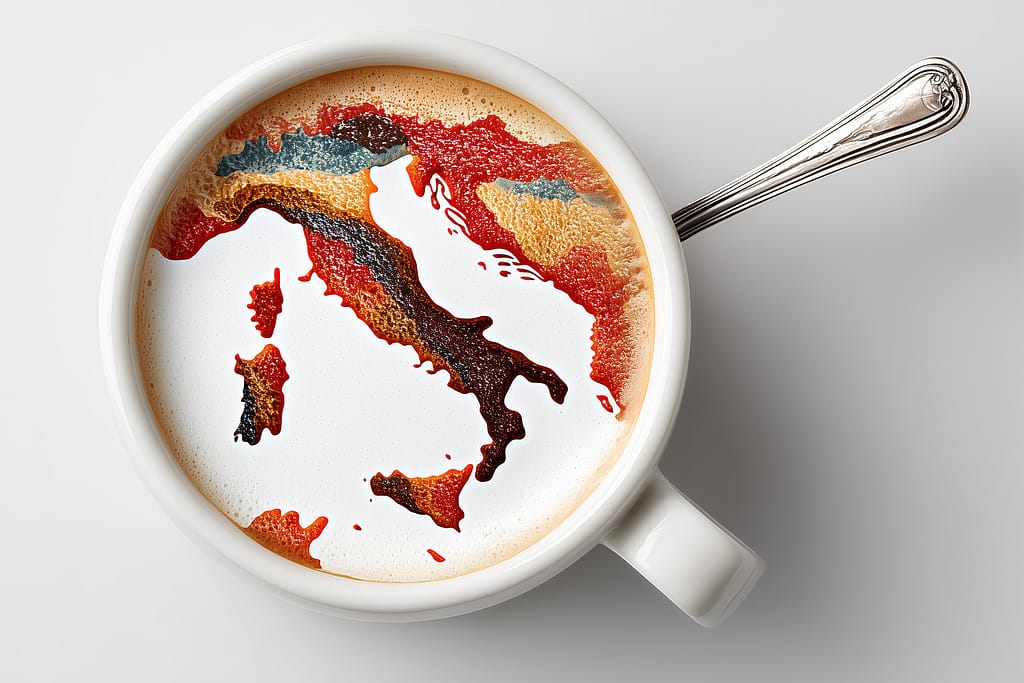
Every cappuccino you enjoy today is, in a sense, a cup of history — a creamy reminder of faith, color, and the Italian genius for beauty in simplicity.
The Italian Coffee Culture ☕🇮🇹
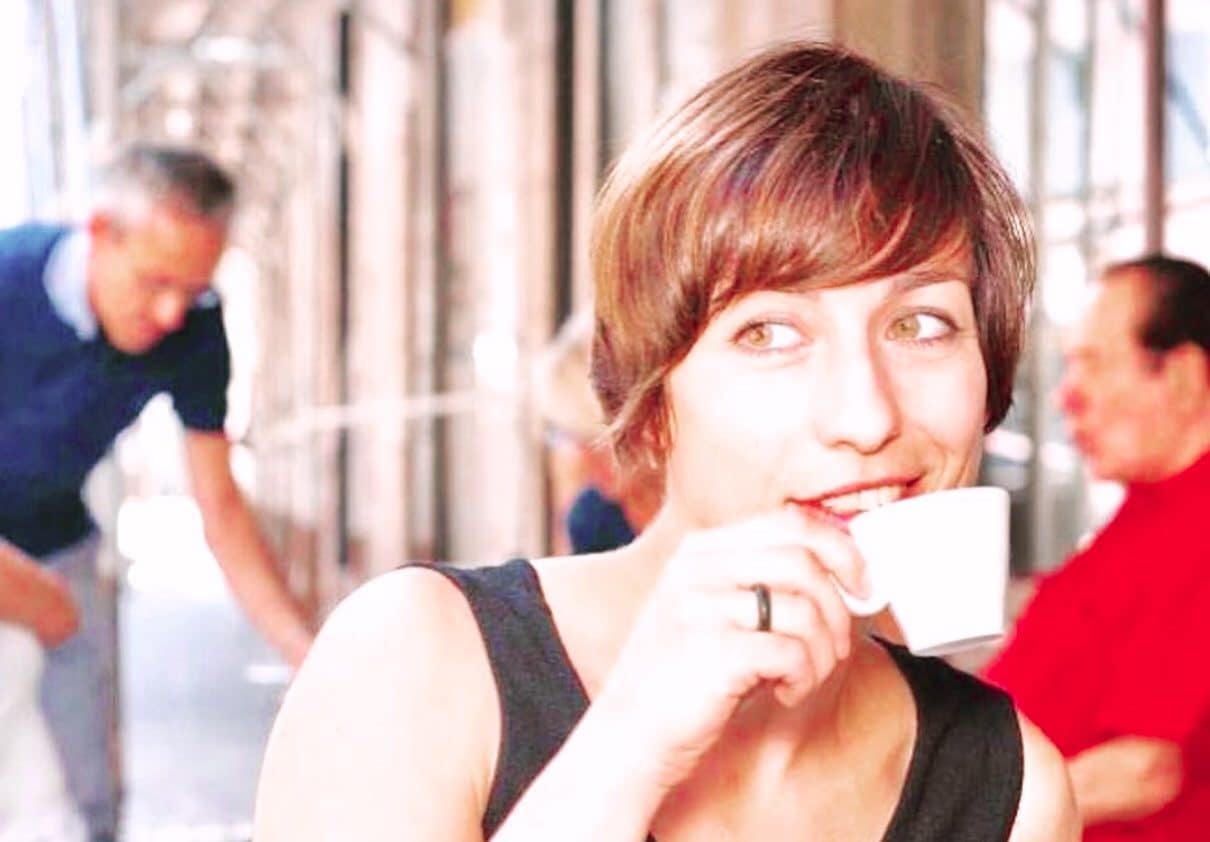
To truly understand the cappuccino, you need to understand the culture surrounding it. In Italy, coffee isn’t just a drink — it’s a language, a rhythm of daily life. Italians have dozens of ways to order coffee: espresso, macchiato, ristretto, lungo, marocchino — each with its own history and nuance.
And timing matters. Ask for a cappuccino after lunch in Italy, and you might get a raised eyebrow. That’s because cappuccino, with its milk, is considered a breakfast drink — perfect with a cornetto or a slice of cake. After meals, Italians prefer a simple espresso to aid digestion. It’s not a rule — it’s a cultural code, one that says as much about Italy as its art and architecture.
In an Italian bar, coffee is social glue. People drink it standing at the counter, exchanging greetings, news, and jokes before rushing back to work. The barista remembers your order, your name, and probably your football team. That daily ritual — fast, warm, personal — is the real heart of Italian coffee culture.
Language in a Cup: Italofonia and Global Identity

“Cappuccino” is now one of the world’s most international Italian words, like “pizza” or “opera.” It’s spoken and understood on every continent, unchanged and unmistakably Italian. This global spread reflects what linguists call Italofonia — the cultural and linguistic influence of Italian beyond its borders.
Every time someone orders a cappuccino in a café in Seoul, São Paulo, or San Francisco, they’re speaking Italian — effortlessly. The word carries with it not just a flavor, but a feeling: warmth, hospitality, elegance, and creativity. It’s the Italian way of living distilled into a single word, a single sip.
That’s why learning Italian means so much more than memorizing verbs. It’s learning how to see the world with curiosity and taste — how to find beauty in everyday gestures, like ordering coffee or saying buongiorno.
📖 Amore, Coffee, and Language: Amore e Cappuccino

To explore this connection between language and life, we recommend a delightful book: Amore e Cappuccino by Alma Edizioni.
Set in Rome, it tells the story of Emily, a young American woman discovering Italy for the first time. Her journey is full of charm, misunderstandings, delicious food, and, of course, coffee. Through her adventures — and her growing love for Italian culture — Emily learns that language isn’t just about words, but about connection.
The book is perfect for beginner and intermediate learners (A1-A2) who want to improve their Italian naturally. Each chapter blends narrative and learning, with vocabulary, expressions, and cultural notes woven into the story. It’s proof that you can sip your coffee and study Italian at the same time!
🎯 Practice: From Coffee to Cappuccino
Now that you know the story and the language behind this iconic drink, it’s time to practice! Below you’ll find two short, fun exercises that will help you learn and use Italian vocabulary related to coffee and cafés. They’re ideal for self-study or classroom use, whether you’re a barista, a traveler, or simply someone who loves Italian mornings. ☕✨
🧩 Exercise 1 – From Coffee to Cappuccino
Test your knowledge of Italian coffee terms and practice how to order like a true local.
🥛 Exercise 2 – Preparing a Cappuccino: What Do You Need?
Discover the essential ingredients and tools for preparing the perfect cappuccino — and learn how to describe them in Italian.
☕ Beyond the Cup: What “Cappuccino” Teaches Us
The story of “cappuccino” is more than a linguistic curiosity — it’s a window into Italian identity. It reminds us that language grows from daily life, from colors, habits, and small rituals that become universal. A monk’s robe inspired a drink. That drink inspired a word. And that word became a symbol of Italian style and humanity around the world.
Next time you sip your cappuccino, take a second to think about its journey — from the quiet cloisters of the Capuchin friars to the bustling cafés of Milan, Paris, or New York. In every cup, there’s a story of travel, transformation, and timeless Italian charm.
🌍 Learn Italian with Culture
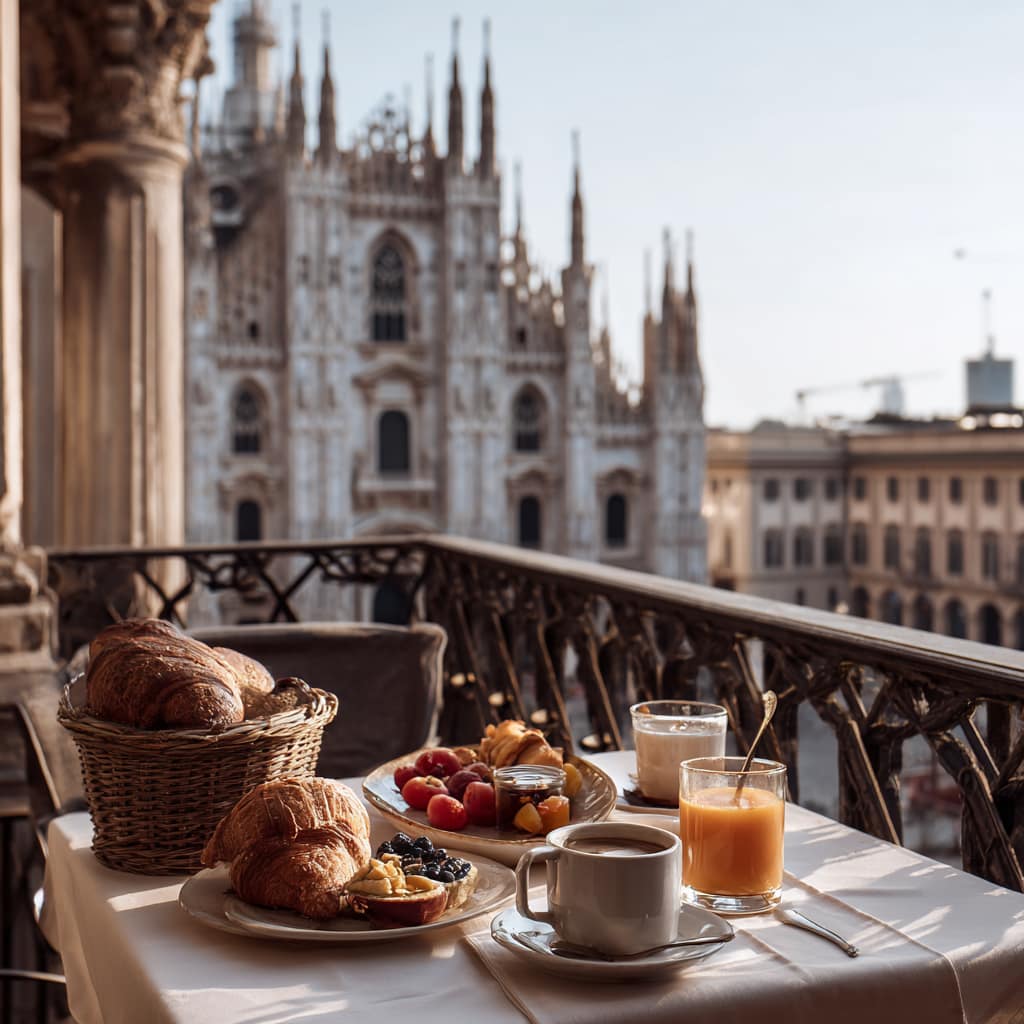
At Il Centro – Italian Language School in Milan, we believe that learning Italian means discovering its people, its traditions, and its hidden stories. Every Italian lesson is a journey — just like Emily’s, just like the cappuccino’s.
Join our next italian courses and experience Italian language and culture in the heart of Milan. Whether you’re learning for work, study, or pleasure, we’ll help you find your rhythm — and your perfect coffee break. ☕❤️
👉 Read more about Italofonia and the Italian language worldwide