
What is the most effective way to learn Italian? After 40 years of teaching international students, we have learned that real progress does not depend on memorizing every grammar rule or having a special talent for languages. It comes from communication, regular practice, meaningful interaction and direct contact with Italian life and culture.
Since 1986, Il Centro has welcomed thousands of students from more than 80 countries. Their different experiences, goals and learning styles have helped us understand what truly enables people to speak Italian with confidence. Here are the most important lessons we have learned about how to learn Italian effectively.
Start Communicating Before You Feel Ready
Many learners believe they must master Italian grammar before they can start speaking. In our experience, the opposite is true: students make faster progress when they begin communicating immediately, even if they know only a few words and simple structures.
Speaking from the beginning helps learners transform passive knowledge into practical language skills. Confidence grows through use, and mistakes are not failures: they are a natural and necessary part of the learning process.
This is why our Italian learning method places real communication at the centre of every lesson.
Learn in a Small, Interactive Group
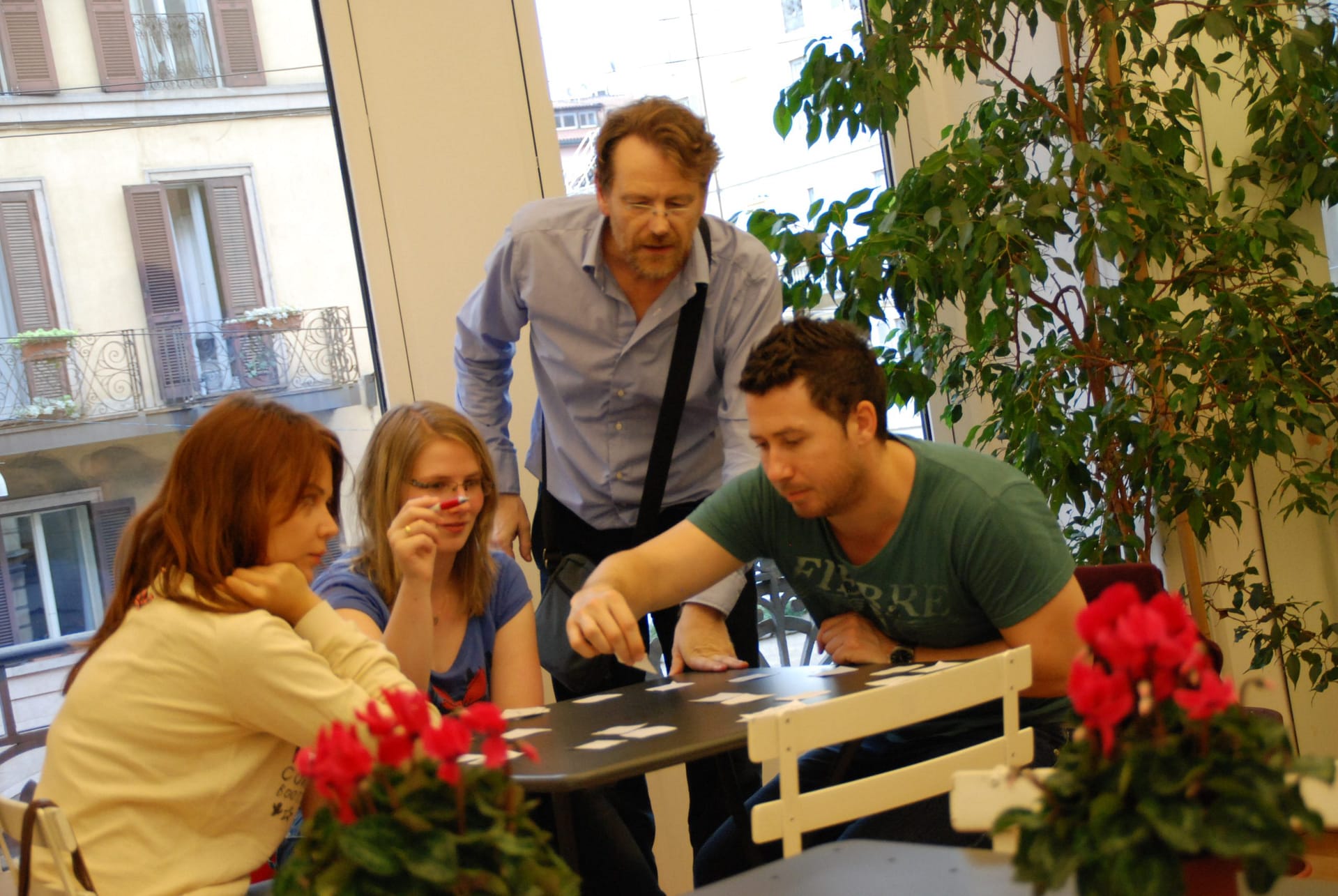
Class size has a direct effect on language learning. In a small group, every student has more opportunities to speak, ask questions and receive personalized feedback from the teacher.
Interaction with classmates is equally valuable. Listening to different accents, exchanging ideas and completing activities together develops flexibility and prepares students for conversations outside the classroom. Language learning is active: the more learners participate, the more effectively they progress.
Choose Consistency Over Perfection
Natural ability can help, but it is rarely the main reason a student succeeds. The learners who achieve the strongest results are usually those who attend regularly, remain curious and practise Italian consistently.
A short conversation, a few pages of reading or ten minutes of listening every day can be more useful than a long but occasional study session. Consistent exposure helps vocabulary and structures become familiar, while regular speaking turns them into skills that can be used spontaneously.
Use Italian Beyond the Classroom
Some of the most important learning experiences happen outside formal lessons. Ordering a coffee, asking for directions, speaking with local residents or visiting a museum can all become opportunities to use Italian in a real context.
These everyday exchanges teach learners to understand different voices, respond naturally and communicate even when they do not know every word. Students who choose to study Italian in Italy benefit from this continuous contact with the language throughout the day.
Connect the Language With Italian Culture
Italian is more than grammar and vocabulary. Traditions, food, history, art, music, cinema and everyday habits all influence how people speak and understand one another.
Learning about these cultural contexts makes new words and expressions easier to remember. It also helps students understand tone, gestures and social conventions, enabling them to communicate more naturally and develop a deeper connection with the language.
Learn From an International Classroom
Students do not learn only from their teacher. An international classroom brings together different experiences, perspectives and approaches to learning.
Using Italian as a shared language encourages students to communicate authentically. They exchange ideas, solve misunderstandings and build friendships while improving their speaking and listening skills. This supportive community can be a powerful source of motivation.
Make the City Part of Your Learning
A city can become an extension of the classroom. Milan offers international students daily contact with Italian while combining history, culture, design, business and contemporary life.
Its neighbourhoods, cafés, museums, markets and cultural events create countless situations in which learners can practise what they study in class. Experiencing the language in context makes learning more memorable and gives students a practical reason to communicate every day.
Use Technology as a Tool, Not a Substitute
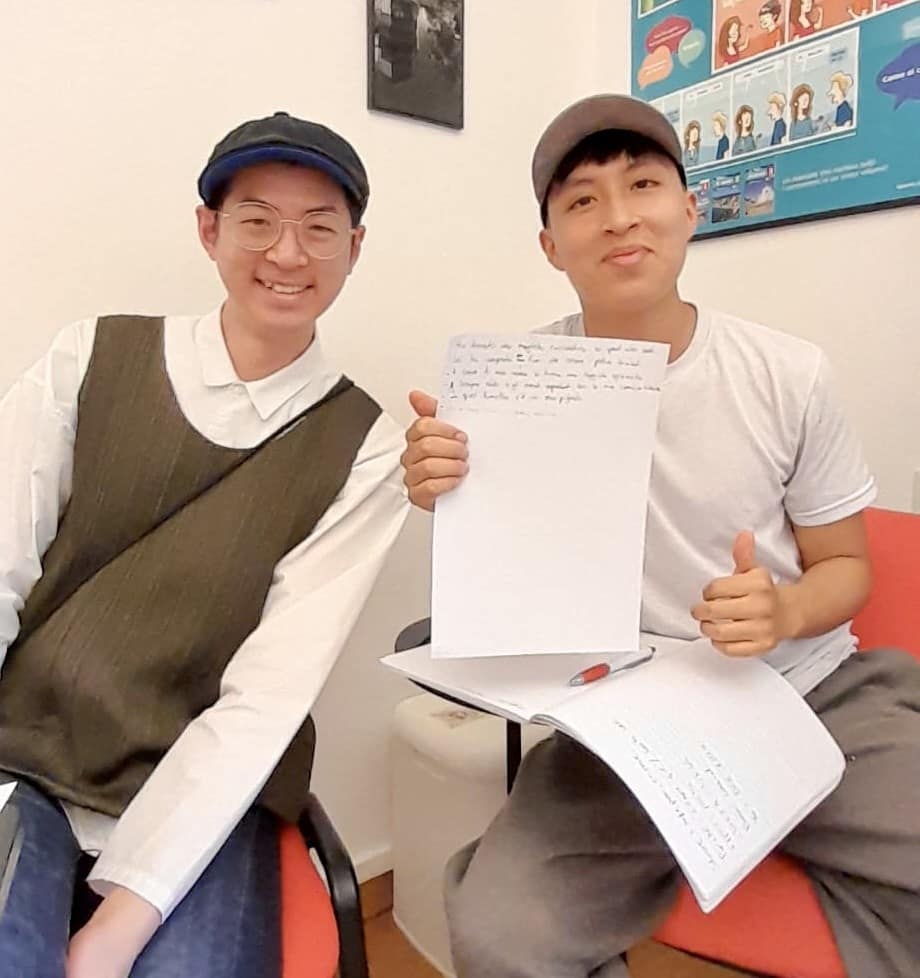
Videos, podcasts, digital exercises and AI-powered tools have made Italian more accessible than ever. They are useful for reviewing vocabulary, improving listening skills and maintaining regular contact with the language.
However, technology is most effective when it supports a structured learning path. Apps can provide additional practice, but they cannot fully replace expert guidance, spontaneous conversation and personalized feedback.
Follow a Course Suited to Your Level and Goals
There is no single programme that is right for everyone. Some students need an intensive course, while others progress better with a part-time schedule or individual lessons. The right choice depends on the learner’s current level, available time and objectives.
A clear learning path helps students build their skills gradually and recognize their progress. Understanding the Italian language levels can help learners identify where they are starting and what they need to achieve next.
Keep Human Connection at the Heart of Learning
Teaching methods and learning tools have changed considerably since 1986, but one principle has remained constant: languages are learned through people.
The relationships students develop with teachers, classmates and local communities make the language meaningful. A welcoming environment gives learners the confidence to experiment, ask questions and express their personalities in Italian.
How Can You Learn Italian More Effectively?
The most effective approach combines several elements: a well-structured course, frequent communication, consistent practice, cultural immersion and guidance from experienced teachers. Progress becomes faster and more lasting when Italian is not treated simply as a subject to study, but as a language to use.
At our Italian language school in Italy, qualified native teachers help students put these principles into practice through small groups, authentic materials and real-life communication.
Explore our Italian courses in Milan and find the learning path that best suits your level and goals.